





How It Works
A Brief History of Bioresonance
The history of bioresonance is a tale of innovation, persistence, and gradual acceptance. The journey began in the 1920s with Royal Rife, who developed a machine designed to disrupt harmful pathogens using specific electromagnetic frequencies.
Despite his groundbreaking work, Rife’s ideas were met with skepticism and resistance by the established medical community, creating a lasting stigma around energy based diagnostics. However, over time, visionary thinkers such as Nikola Tesla and Albert Einstein provided theoretical insights into electromagnetism that would later support the development of bioresonance technology. Their work laid the scientific groundwork for understanding energy dynamics in the human body.
Throughout the 20th century, numerous researchers built on these early concepts. From the experimental work of Erich Rasche and Dr. Franz Morell to the pioneering studies of N.E. Vedensky and Alexander Gurwitsch, the field of bioresonance steadily evolved. Today, modern devices that employ advanced NLS technology represent the culmination of over a century of research and innovation, only now now gaining recognition as valuable tools in holistic, drug-free diagnostics.
The Science Behind Bioresonance: Electromagnetic Frequencies & Energy Patterns
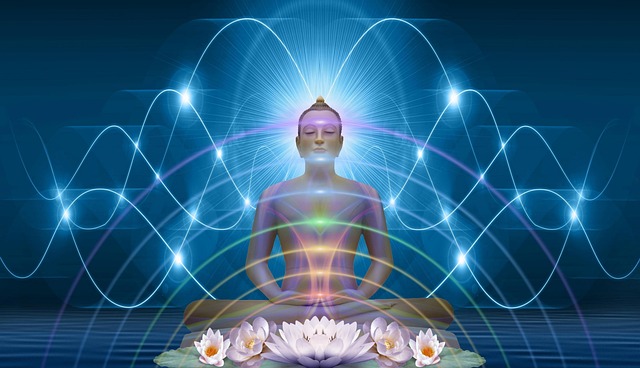
As mentioned previously mentioned, bioresonance technology operates on the principle that every living cell emits a unique electromagnetic frequency. These frequencies can be measured, analyzed, and interpreted to assess the health of tissues and organs. Modern bioresonance scanners use sophisticated algorithms and NLS techniques to transform these subtle energy signals into visual data that practitioners can use to identify imbalances.
For example, a bioresonance scan might detect irregularities in the energy patterns of the immune system, suggesting inflammation or stress before these issues manifest as overt symptoms. By offering insights at such an early stage, bioresonance therapy has the potential to complement traditional diagnostics and support preventative healthcare.
Despite its promise, the science behind bioresonance remains complex. While some of the underlying physics is still debated, the growing body of case studies and emerging research continues to validate its potential as a non-invasive, holistic diagnostic tool.
Safety, Efficacy & Controversies
Bioresonance therapy is widely recognized as a safe, non-invasive diagnostic method with minimal side effects. Since it does not involve drugs or invasive procedures, it poses little risk when performed by trained professionals. However, its efficacy remains a subject of debate. While many small-scale studies and case reports indicate positive outcomes, large-scale, randomised controlled trials are still limited.
Critics argue that the lack of extensive scientific validation and official endorsements from major medical organizations limits bioresonance’s acceptance. Moreover, the market has seen a rise in un-certified devices and inexperienced operators, leading to inconsistent results and potential misdiagnosis. This underscores the importance of using certified equipment and obtaining proper training.

Despite these challenges, an increasing number of integrative practitioners and progressive medical professionals are turning to bioresonance as a valuable adjunct to traditional care. Anecdotal evidence and emerging research continue to build the case for its potential in early detection and drug-free treatment.

Non-Invasive Scanning & Drug-Free Diagnostics
One of the most compelling features of bioresonance therapy is its non-invasive nature. Modern bioresonance devices, such as advanced NLS scanners, perform detailed scans without any physical intrusion.
This drug-free approach allows for early detection of health imbalances by measuring the subtle energy emissions from the body. Unlike invasive diagnostic techniques that may cause discomfort or require recovery time, bioresonance therapy offers a gentle, holistic alternative.
However, the accuracy of these devices depends heavily on proper calibration and professional training. When used correctly, bioresonance can provide real-time, multidimensional insights into your health, supporting both preventative care and integrative treatment plans.
Bioresonance and Metaphysics
Bioresonance therapy bridges the gap between conventional science and metaphysical concepts. Ancient healing traditions have long recognized the importance of energy fields in maintaining health.
Modern bioresonance technology builds on these ideas by quantifying the body’s electromagnetic emissions and translating them into diagnostic data. The interplay between energy and health is a concept that resonates with the metaphysical philosophies of many cultures.
While the scientific community continues to explore these connections, bioresonance offers a tangible way to observe and interpret the subtle forces that influence our well-being.
This unique fusion of science and metaphysics not only enriches our understanding of health but also inspires new approaches to holistic healing.

Conclusion: Empowering Your Health with Bioresonance
Bioresonance therapy offers a unique, non-invasive approach to understanding your body’s energy dynamics. By measuring electromagnetic frequencies, modern bioresonance devices reveal hidden imbalances and support holistic, drug-free diagnostics. Although it remains a complementary tool rather than a standalone treatment, its growing body of research and clinical success stories continue to inspire both practitioners and patients.
The evolution of bioresonance is rooted in the visionary work of pioneers like Royal Rife, Professor Vladimir Nesterov, Svyatoslav Nesterov, and many others who have dedicated their lives to advancing this technology. Their contributions have laid the foundation for today’s sophisticated diagnostic tools, making bioresonance an increasingly valuable asset in the realm of integrative health care.
Before incorporating bioresonance therapy into your health strategy, it is important to understand its principles and consult with qualified professionals. As research expands and technology advances, bioresonance offers promising new avenues for earlydetection and natural, holistic treatment.
Member of:


